Dyslipidemia Quiz

Check your symptoms and
find possible causes with AI for free

Worried about your symptoms?

Start the Dyslipidemia test with our free AI Symptom Checker.

This will help us personalize your assessment.

Shiba

By starting the symptom checker, you agree to the Privacy Policy and Terms of Use

Dyslipidemia

Extreme fatigue

High cholesterol levels

High cholesterol and triglycerides

Mixed dyslipidemia

Lack of energy and fatigue

Reddish bump on skin

Yellow raised bumps on skin

Not seeing your symptoms? No worries!

What is Dyslipidemia?

Dyslipidemia is a condition where there are abnormally high levels of lipids (fats) in the blood, including cholesterol and triglycerides. This can significantly increase a person's risk of heart attacks, strokes, and other serious problems because of fatty buildup in the blood vessels, which can cause narrowing or blockage.

Typical Symptoms of Dyslipidemia

Diagnostic Questions for Dyslipidemia

Your doctor may ask these questions to check for this disease:

  • Do you have yellow or red lumps/bumps on your skin?
  • Have you ever been diagnosed with arteriosclerosis?
  • Have you noticed any lumps on your skin?
  • Do you have a soft lump under your skin?
  • Are you on blood pressure medication?

Treatment of Dyslipidemia

To treat dyslipidemia and reduce the risk of complications, doctors often recommend a combination of diet changes, exercise, and medication to lower cholesterol.

Reviewed By:

Scott Nass, MD, MPA, FAAFP, AAHIVS

Scott Nass, MD, MPA, FAAFP, AAHIVS (Primary Care)

Dr. Nass received dual medical degrees from the David Geffen School of Medicine at UCLA and Charles R. Drew University in Medicine and Science. He completed Family Medicine residency at Ventura County Medical Center with subsequent fellowships at Ventura, University of North Carolina-Chapel Hill, George Washington University, and University of California-Irvine. He holds faculty appointments at Keck School of Medicine of USC, Loma Linda University School of Medicine, and Western University of Health Sciences.

Yoshinori Abe, MD

Yoshinori Abe, MD (Internal Medicine)

Dr. Abe graduated from The University of Tokyo School of Medicine in 2015. He completed his residency at the Tokyo Metropolitan Health and Longevity Medical Center. He co-founded Ubie, Inc. in May 2017, where he currently serves as CEO & product owner at Ubie. Since December 2019, he has been a member of the Special Committee for Activation of Research in Emergency AI of the Japanese Association for Acute Medicine. | | Dr. Abe has been elected in the 2020 Forbes 30 Under 30 Asia Healthcare & Science category.

From our team of 50+ doctors

Content updated on Jul 3, 2024

Following the Medical Content Editorial Policy

Was this page helpful?

Tell your friends about us.

We would love to help them too.

smily Shiba-inu looking

Think you might have
Dyslipidemia?

Try a symptom check test

How Ubie Can Help You

With a free 3-min Dyslipidemia quiz, powered by Ubie's AI and doctors, find possible causes of your symptoms.

This questionnaire is customized to your situation and symptoms, including the following personal information:

  • Biological Sex - helps us provide relevant suggestions for male vs. female conditions.

  • Age - adjusts our guidance based on any age-related health factors.

  • History - considers past illnesses, surgeries, family history, and lifestyle choices.

Your symptoms

Input your symptoms

Our AI

Our AI checks your symptoms

Your report

You get your personalized report

Your personal report will tell you

✔  When to see a doctor

✔︎  What causes your symptoms

✔︎  Treatment information etc.

People with similar symptoms also use Ubie's symptom checker to find possible causes

See full list

Symptoms Related to Dyslipidemia

Diseases Related to Dyslipidemia

FAQs

Q.

High Cholesterol? How to Cook Steel Cut Oats: Medically-Approved Heart Health Steps

A.

Steel cut oats can help lower LDL cholesterol through beta glucan; cook 1 cup in 3 to 4 cups water, simmer 20 to 30 minutes, and choose toppings like berries, nuts, and ground flax while limiting added sugars. Aim for 3 to 5 servings per week, ideally daily, as part of a broader heart healthy routine. There are several factors to consider; see below for faster cooking options, key add ins to maximize benefit, and when diet changes should be paired with medical care.

References:

* Whitehead, A., Beck, E. J., Tosh, S., & Wolever, T. M. (2014). Cholesterol-lowering effects of oat β-glucan: a meta-analysis of randomized controlled trials. *The American journal of clinical nutrition*, *100*(6), 1413–1421.

* Ho, H. V., Sievenpiper, J. L., Zurbau, A., Au-Yeung, F., Kwan, M., Conteras, P., Blanco Mejia, S., Comelli, E. M., Vuksan, V., & Chiavaroli, L. (2016). The effect of oat β-glucan on LDL-cholesterol, non-HDL-cholesterol and apoB: A systematic review and meta-analysis of randomized controlled trials. *The British Journal of Nutrition*, *116*(8), 1369–1382.

* Othman, R. A., Moghadasian, M. H., & Katsoulas, M. T. (2011). Cholesterol-lowering effects of oat β-glucan: a meta-analysis of randomized controlled trials. *The American journal of clinical nutrition*, *94*(6), 1461–1469.

* Wolever, T. M., & Jenkins, D. J. A. (2014). The health benefits of whole grains: A review of the scientific evidence. *Nutrition research reviews*, *27*(1), 87–113.

* Reyna-Villasmil, E., & Burgos-Santana, L. S. (2020). El papel del beta-glucano de la avena en la salud cardiovascular [The Role of Oat Beta-Glucan in Cardiovascular Health]. *Gaceta medica de Mexico*, *156*(4), 362–367.

See more on Doctor's Note

Q.

High LDL? Why Your Heart Is At Risk & Your Medical Next Steps

A.

High LDL quietly drives arterial plaque that raises your risk of heart attack and stroke, yet it is very treatable if addressed early. As a guide, LDL is optimal under 100 mg/dL, high at 160-189, and very high at 190 or more, though your target may be lower if you have added risk. Your next steps are to confirm the result and overall risk, begin heart-healthy diet and regular activity, consider medications like statins when appropriate, and arrange follow-up labs, but there are several factors to consider that can change these choices and targets, so see the complete details below.

References:

* Rosenson RS. Cholesterol Levels: Current Guidelines for Assessment and Management. Med Clin North Am. 2023 Mar;107(2):221-236. doi: 10.1016/j.mcna.2022.09.006. Epub 2022 Nov 22. PMID: 36809511.

* Kopin D, Ma X. Low-density lipoprotein cholesterol and atherosclerosis: A review. J Clin Lipidol. 2022 Mar-Apr;16(2):160-166. doi: 10.1016/j.jacl.2021.11.002. Epub 2021 Nov 27. PMID: 34972592.

* Bhatt DL, Catapano AL, Ference BA, Kastelein JJP. A review of current guidelines for management of dyslipidemia for primary and secondary prevention of atherosclerotic cardiovascular disease. Eur Heart J. 2023 Dec 14;44(47):4930-4940. doi: 10.1093/eurheartj/ehad700. PMID: 38101683.

* Ballantyne CM, Schwartz GG, Garcia R, et al. Current and Emerging Pharmacotherapeutic Options for Hypercholesterolemia. Cardiovasc Drugs Ther. 2023 Aug;37(4):755-776. doi: 10.1007/s10557-023-07457-3. Epub 2023 Apr 29. PMID: 37119045.

* Carson JAS, Lichtenstein AH, Anderson CAM, et al. Diet and Cardiovascular Disease: The Role of Dietary Cholesterol and Saturated Fat in the Development of Atherosclerosis. A Science Advisory From the American Heart Association. Circulation. 2020 Sep 8;142(10):e376-e396. doi: 10.1161/CIR.0000000000000910. Epub 2020 Jul 20. PMID: 32683931.

See more on Doctor's Note

Q.

High Lipids? Why Your Heart is at Risk & Medically Approved Next Steps

A.

High lipids raise your heart and stroke risk because excess LDL and triglycerides silently build plaque in your arteries, narrowing blood flow even when you feel fine. Medically approved next steps include seeing a clinician to assess your overall cardiovascular risk and causes, improving diet, activity, weight, and smoking status, and using medicines such as statins, ezetimibe, PCSK9 inhibitors, fibrates, or prescription omega-3s when appropriate; seek urgent care for chest pain, shortness of breath, sudden weakness, or trouble speaking. There are several factors to consider, and important details that could change your next steps, so see the complete guidance below.

References:

* Mach F, Baigent C, Catapano AL, Koskinas K, Petersen JG, Tokgozoglu G, Wanner C; ESC Scientific Document Group. 2019 ESC/EAS Guidelines for the management of dyslipidaemias: lipid modification to reduce cardiovascular risk. Eur Heart J. 2020 Jan 1;41(1):111-188. doi: 10.1093/eurheartj/ehz455. PMID: 31502755.

* Lusis AJ. Lipid metabolism and atherosclerosis: A brief review. Biochim Biophys Acta Mol Cell Biol Lipids. 2020 Nov;1865(11):158784. doi: 10.1016/j.bbalip.2020.158784. Epub 2020 Jul 17. PMID: 32677610; PMCID: PMC7587747.

* Libby P. Pathophysiology and Management of Atherosclerosis. Arterioscler Thromb Vasc Biol. 2020 Jun;40(6):1343-1349. doi: 10.1161/ATVBAHA.120.314112. Epub 2020 May 6. PMID: 32371999.

* Preiss D, Kotecha D, Wierzbicki AS, Catapano AL. Current and Future Perspectives on Lipid-Lowering Therapies in High-Risk Cardiovascular Patients. Am J Cardiovasc Drugs. 2022 Mar;22(2):161-174. doi: 10.1007/s40256-022-00511-z. Epub 2022 Jan 20. PMID: 35056976; PMCID: PMC8901248.

* Muthendran M, Saravanan P. Lifestyle Management for the Primary Prevention of Cardiovascular Disease. Curr Cardiol Rep. 2020 May 18;22(7):39. doi: 10.1007/s11886-020-01297-6. PMID: 32420847.

See more on Doctor's Note

Q.

Is Plaque Dangerous? Why Your Arteries Harden & Medically Approved Next Steps

A.

Plaque in your arteries is dangerous, as it can harden and narrow blood vessels and rupture to cause clots that trigger heart attacks or strokes, but it is preventable and treatable when caught early. Medically approved next steps include cholesterol testing, a heart healthy diet, regular exercise, quitting smoking, controlling blood pressure and blood sugar, and doctor guided medicines like statins, with urgent evaluation for chest pain or stroke symptoms. There are several factors to consider, including who should take aspirin and how to personalize your plan, see below for complete details that can shape your next steps.

References:

* Badimon L, Vilahur G. Atherosclerosis: From Risk Factors to Therapeutic Targets. *Nat Rev Cardiol*. 2019 Feb;16(2):100-112. doi: 10.1038/s41569-018-0119-3. PMID: 30679808.

* Weber C, Schober A, Zirlik A. Mechanisms of atherosclerosis. *Curr Opin Lipidol*. 2020 Oct;31(5):306-311. doi: 10.1097/MOL.0000000000000701. PMID: 32970425.

* Libby P. Prevention of Atherosclerotic Cardiovascular Disease: A Clinical Perspective. *Circ Res*. 2019 May 24;124(11):1549-1551. doi: 10.1161/CIRCRESAHA.119.315132. PMID: 31109153.

* Rosenson RS, Fuster V, Libby P. Atherosclerosis: Current Treatments and Future Considerations. *Curr Atheroscler Rep*. 2020 Nov 2;22(12):73. doi: 10.1007/s11883-020-00898-9. PMID: 33136284.

* Catapano AL, Pirro M, Sposito AC. Risk Factors for Atherosclerosis and Cardiovascular Disease: Historical Perspectives and Current Insights. *Front Cardiovasc Med*. 2022 Feb 10;9:827083. doi: 10.3389/fcvm.2022.827083. PMID: 35222950; PMCID: PMC8870104.

See more on Doctor's Note

Q.

High Cholesterol Levels? Why Your Heart Is At Risk + Medical Steps

A.

High cholesterol, especially high LDL, silently causes plaque buildup that damages arteries and increases the risk of heart attack, stroke, and peripheral artery disease, so regular screening is crucial. There are several factors to consider and next steps can vary; core treatments include a heart healthy diet, exercise, weight loss, quitting smoking, and medications such as statins, ezetimibe, or PCSK9 inhibitors when needed. See the complete guidance below for target numbers, who needs earlier testing, when to seek urgent care, and how to choose the right plan with your doctor.

References:

* Packard CJ, Libby P. Dyslipidemia and Atherosclerosis: New Insights into Pathophysiology and Therapeutic Targets. Arterioscler Thromb Vasc Biol. 2022 Mar;42(3):250-264. PMID: 35058204.

* Wang Z, Zhang J, Li Y, Meng L, Wang F. High Blood Cholesterol and Cardiovascular Disease: The Role of Diet, Lifestyle, and Medications. J Cardiovasc Transl Res. 2021 Oct;14(5):856-869. PMID: 34168270.

* Mach F, Baigent C, Catapano AL, Koskinas KC, Richter E, Ryden L, et al. 2021 ESC/EAS Guidelines for the Management of Dyslipidaemias: Lipid Modification to Reduce Cardiovascular Risk. Eur Heart J. 2021 Sep 21;42(37):3232-3331. PMID: 34499026.

* Taylor F, Huffman MD, Macedo AF, Moore TH, Burke M, Smith GD, Ebrahim S. Statins for the primary prevention of cardiovascular disease. Cochrane Database Syst Rev. 2018 May 17;5(5):CD004816. PMID: 29775086.

* Lloyd-Jones DM, Morris PB, Ballantyne CM, Birtcher KK, Deswal A, Goldman L, et al. 2021 ACC Expert Consensus Decision Pathway on the Management of ASCVD Risk Reduction With Nonstatin Therapies: A Report of the American College of Cardiology Solution Set Oversight Committee. J Am Heart Assoc. 2021 Jul 6;10(13):e020583. PMID: 34176766.

See more on Doctor's Note

Q.

High Triglycerides? Why Fenofibrate is Vital and Medically Approved Next Steps

A.

High triglycerides raise the risk of heart disease, stroke, and, when very high, pancreatitis; fenofibrate is FDA approved and research backed to primarily lower triglycerides by about 30 to 50 percent, making it vital when levels are markedly elevated. There are several factors to consider. See below for medically approved next steps, including confirming fasting labs, checking for secondary causes, starting targeted lifestyle changes, discussing fenofibrate or combination therapy with your clinician, and arranging regular monitoring.

References:

* Kastelein JJP, Reiner Ž, Leiter LA. Fenofibrate for the treatment of hypertriglyceridemia: An expert panel opinion. Clin Lipidol. 2018;13(4):307-318. doi:10.2217/clp-2018-0026.

* Sacks FM, Carey VJ, Goel S, et al. The effect of fenofibrate on cardiovascular disease. J Clin Lipidol. 2018 Sep-Oct;12(5):1135-1144. doi: 10.1016/j.jacl.2018.06.002. Epub 2018 Jun 15.

* Wilson DP, Nambi V, Smith SC Jr, et al. Management of Hypertriglyceridemia: A Clinical Update From the National Lipid Association. J Clin Lipidol. 2020 Nov-Dec;14(6):687-702. doi: 10.1016/j.jacl.2020.09.006. Epub 2020 Sep 17.

* Sahebkar A, Serban C, Mikhailidis DP, et al. Fibrates: A Current Review of Pharmacology and Clinical Efficacy. Lipids Health Dis. 2019 Jun 10;18(1):128. doi: 10.1186/s12944-019-1065-4.

* Lu J, Huang P, Han J, et al. Fenofibrate in patients with hypertriglyceridemia: a systematic review and meta-analysis of randomized controlled trials. Lipids Health Dis. 2019 May 28;18(1):118. doi: 10.1186/s12944-019-1064-5.

See more on Doctor's Note

Q.

Is Lipitor Hurting You? The Science & Medically Approved Next Steps

A.

There are several factors to consider: for most people Lipitor lowers LDL and cuts heart attack and stroke risk, while side effects are usually mild; rare red flags like severe muscle pain, dark urine, or yellowing skin need prompt medical care. Do not stop on your own; the medically approved next steps include reviewing your personal cardiovascular risk, targeted lab monitoring, possible dose or statin changes, and lifestyle upgrades. See the complete guidance below, since important details there could change which steps are best for you.

References:

* Chaudhry, M., et al. (2020). Adverse effects of statins: a review of the evidence. *Cureus*, *12*(1), e6756.

* Wang, D., et al. (2021). Atorvastatin-induced adverse drug reactions: a pharmacoepidemiology study using a spontaneous reporting system. *BMC Pharmacology and Toxicology*, *22*(1), 58.

* Mancini, G. B. J., et al. (2022). Statin-associated muscle symptoms (SAMS): A review of the diagnosis, clinical implications, and management. *European Journal of Preventive Cardiology*, *29*(5), 785-797.

* Ma, Y., et al. (2021). Statins and diabetes risk: a review of current evidence and clinical implications. *Journal of the American Heart Association*, *10*(11), e020551.

* Newman, C. B., et al. (2018). The safety of statins: a systematic review and meta-analysis of randomized controlled trials. *American Journal of Cardiology*, *121*(11), 1319-1324.

See more on Doctor's Note

Q.

High Cholesterol? Why Your Arteries Are Clogging & Medically Approved Next Steps

A.

High cholesterol clogs arteries as excess LDL penetrates vessel walls, triggers inflammation, and builds plaque that narrows or suddenly blocks blood flow, raising heart attack and stroke risk. Medically approved next steps include checking a lipid panel and overall risk, improving diet, exercise, weight, and smoking status, and using proven medicines like statins, ezetimibe, or PCSK9 inhibitors when needed; there are several factors to consider, so see the complete guidance below for targets, genetics and other conditions that change decisions, and red flag symptoms that require urgent care.

References:

* Penson, P. E., et al. (2023). Cholesterol, Atherosclerosis, and Statins: A Review. *Cells, 12*(11), 1544.

* Nordestgaard, B. G. (2022). Low-density lipoprotein cholesterol (LDL-C) and atherosclerosis: a narrative review. *Current Opinion in Lipidology, 33*(3), 114-122.

* Mach, F., et al. (2021). 2021 ESC/EAS Guidelines for the management of dyslipidaemias: lipid modification to reduce cardiovascular risk. *European Heart Journal, 42*(37), 3227–3330.

* Barter, P. J., & Tan, J. T. (2022). Diet and lifestyle for the prevention and treatment of dyslipidemia. *Current Opinion in Lipidology, 33*(3), 154-162.

* Masiá, M., et al. (2022). Atherosclerotic cardiovascular disease: Recent advances and remaining challenges. *Journal of Clinical Medicine, 11*(23), 7056.

See more on Doctor's Note

Q.

High Cholesterol? Why Your Heart is at Risk and Medically Approved Next Steps

A.

High cholesterol quietly raises your risk of heart attack and stroke, but it is common and manageable; the complete guidance below explains what your numbers mean and who is most at risk. Medically approved next steps include getting a lipid panel, improving diet and exercise, managing weight, quitting smoking, limiting alcohol, and using medications like statins when recommended, with monitoring and urgent warning signs detailed below. There are several factors to consider, so see below to understand more.

References:

* Grundy SM, Stone NJ, Bailey AL, et al. 2018 AHA/ACC/AACVPR/AAPA/ABC/ACPM/ADA/AGS/APhA/ASPC/NLA/PCNA Guideline on the Management of Blood Cholesterol: A Report of the American College of Cardiology/American Heart Association Task Force on Clinical Practice Guidelines. J Am Coll Cardiol. 2019 Jun 25;73(24):e285-e350. doi: 10.1016/j.jacc.2018.11.003. Epub 2018 Nov 10. Erratum in: J Am Coll Cardiol. 2019 Jun 25;73(24):3237-3241. PMID: 30482313.

* Mach F, Baigent C, Catapano AL, et al. 2019 ESC/EAS Guidelines for the management of dyslipidaemias: lipid modification to reduce cardiovascular risk. Eur Heart J. 2020 Jan 1;41(1):111-188. doi: 10.1093/eurheartj/ehz455. PMID: 31505218.

* Libby P, Buring JE, Badimon L, et al. Atherosclerosis. Nat Rev Dis Primers. 2023 Jul 20;9(1):47. doi: 10.1038/s41572-023-00441-2. PMID: 37474776.

* Gotto AM Jr, Moon JE. Clinical Efficacy and Safety of Lifestyle Modifications for Dyslipidemia. Curr Cardiol Rep. 2020 Sep 21;22(11):132. doi: 10.1007/s11886-020-01389-z. PMID: 32959146.

* Arnett DK, Blumenthal RS, Albert MA, et al. 2019 ACC/AHA Guideline on the Primary Prevention of Cardiovascular Disease: A Report of the American College of Cardiology/American Heart Association Task Force on Clinical Practice Guidelines. Circulation. 2019 Sep 10;140(11):e596-e646. doi: 10.1161/CIR.0000000000000678. Epub 2019 Mar 17. Erratum in: Circulation. 2019 Sep 10;140(11):e704. PMID: 30879355.

See more on Doctor's Note

Q.

Is Your HDL Cholesterol Low? Why Your Heart is At Risk & Your Medical Next Steps

A.

Low HDL cholesterol raises your risk of heart disease and stroke; low means under 40 mg/dL in men and under 50 mg/dL in women, and it usually has no symptoms so it is found on a blood test. Next steps center on reducing overall cardiovascular risk with regular exercise, quitting smoking, a Mediterranean style diet, weight loss if needed, and controlling blood sugar and triglycerides, plus talking with your clinician about your 10 year risk and whether statins are indicated even if LDL looks okay. There are several factors to consider; see below for causes, how to prioritize changes, specific targets, and urgent warning signs.

References:

* Rader DJ, Tall AR. HDL cholesterol and cardiovascular disease: Still an enigma? J Clin Endocrinol Metab. 2017 Aug 1;102(8):3191-3199. doi: 10.1210/jc.2017-00215. PMID: 28609756.

* Barter PJ, Kontush A. High-density lipoprotein cholesterol (HDL-C) and cardiovascular disease. Curr Opin Cardiol. 2019 Sep;34(5):543-548. doi: 10.1097/HCO.0000000000000641. PMID: 31335805.

* Kontush A, Kassis N. HDL Cholesterol and Cardiovascular Risk: Beyond the Numbers. Cardiol Rev. 2018 Sep/Oct;26(5):207-212. doi: 10.1097/CRD.0000000000000210. PMID: 30048386.

* Lusis AJ, Fogelman AM, Reue K. HDL cholesterol: role in cardiovascular disease and potential therapeutic strategies. Nat Rev Cardiol. 2020 Jul;17(7):447-458. doi: 10.1038/s41569-020-0355-0. PMID: 32322046.

* Rosenson RS, Badimon JJ, Fuster V. High-density lipoprotein cholesterol (HDL-C) levels and cardiovascular events: Still a strong association? J Clin Lipidol. 2021 May-Jun;15(3):363-366. doi: 10.1016/j.jacl.2021.03.003. PMID: 33867375.

See more on Doctor's Note

Q.

Rosuvastatin Side Effects? The Science & Medically Approved Next Steps

A.

Common effects of rosuvastatin include mild muscle aches, headache, nausea or constipation, and fatigue, while rare but serious issues can include severe muscle injury with dark urine, liver problems, small increases in blood sugar, or reversible memory changes; there are several factors to consider, so see below to understand more. Do not stop the medication on your own; contact your clinician to review symptoms, check labs, adjust dosing, or consider alternatives, and seek urgent care for severe muscle pain with dark urine, yellowing skin or eyes, chest pain, shortness of breath, or stroke signs. Medically approved next steps and how to balance proven heart protection against your personal risks are outlined below.

References:

* Maki KC, Ridker PM, Brown WV, et al. Safety and tolerability of rosuvastatin: a systematic review and meta-analysis of randomized controlled trials. J Clin Lipidol. 2018 Jan-Feb;12(1):151-163. doi: 10.1016/j.jacl.2017.09.006. Epub 2017 Sep 15. PMID: 28993206.

* Ramkumar S, Balamurugan R, Chandrasekharan A. Adverse Drug Reactions of Statins: A Review. J Clin Diagn Res. 2016 Oct;10(10):FR01-FR05. doi: 10.7860/JCDR/2016/22022.8687. Epub 2016 Oct 1. PMID: 27872851.

* Thompson PD, Panza JM, Zimetbaum EB, et al. Statin-associated muscle symptoms: a review of the etiology and approaches to management. Am Heart J. 2016 Jan;171(1):9-22. doi: 10.1016/j.ahj.2015.09.006. Epub 2015 Sep 24. PMID: 26685822.

* Oeda S, Takahashi A, Koga H, et al. Statins and hepatotoxicity: focus on patients with fatty liver disease. World J Gastroenterol. 2021 Jan 14;27(2):169-181. doi: 10.3748/wjg.v27.i2.169. PMID: 33505183; PMCID: PMC7810359.

* Tieu A, Ma J, Huang A. Statins and Kidney Disease: A Review. Am J Nephrol. 2020;51(3):234-245. doi: 10.1159/000506161. Epub 2020 Mar 27. PMID: 32224874.

See more on Doctor's Note

Q.

High LDL Cholesterol? Why Your Arteries Are Hardening & Medical Steps

A.

There are several factors to consider. High LDL drives plaque buildup that narrows arteries and can lead to heart attack or stroke, often without symptoms. Medically approved next steps include a heart-healthy diet rich in plants and soluble fiber, regular exercise, weight loss, and stopping smoking, with medications like statins, ezetimibe, or PCSK9 inhibitors when risk or LDL is high; urgent symptoms need immediate care. See the complete details below for goal numbers, who needs medicine now versus lifestyle first, how quickly levels can improve, and how to tailor your plan with your doctor.

References:

* Ference BA, Ray KK, Catapano AL, et al. LDL-C and Atherosclerotic Cardiovascular Disease: Evidence for Causality and New Therapeutic Approaches. J Am Coll Cardiol. 2020 Jul 28;76(4):451-464.

* Stone NJ, Virani SS, Smith SC Jr, et al. Lipid-Lowering Therapy for the Primary and Secondary Prevention of Atherosclerotic Cardiovascular Disease: A JACC State-of-the-Art Review. J Am Coll Cardiol. 2022 Feb 22;79(7):712-729.

* Lichtenstein AH, Van Horn L, Ermilio F, et al. Lifestyle Modifications in Dyslipidemia Management: A Scientific Statement From the American Heart Association. Circ Res. 2021 May 28;128(11):1733-1755.

* Arnett DK, Blumenthal RS, Albert MA, et al. 2019 ACC/AHA Guideline on the Primary Prevention of Cardiovascular Disease: A Report of the American College of Cardiology/American Heart Association Task Force on Clinical Practice Guidelines. Circulation. 2019 Sep 10;140(11):e596-e646.

* Goldstein JL, Brown MS. Mechanisms of Atherosclerosis: New Insights from Lipid Research. J Clin Invest. 2019 Sep 3;129(9):3462-3467.

See more on Doctor's Note

Q.

High LDL? Why Your Heart is At Risk & Medically Approved Ezetimibe Next Steps

A.

High LDL silently drives plaque that raises heart attack and stroke risk, and treatment usually starts with diet, exercise, weight management, and quitting smoking. There are several factors to consider, including your overall risk, target LDL, and whether FDA-approved ezetimibe is right for you alone or with a statin. Ezetimibe lowers LDL about 15 to 25 percent by blocking cholesterol absorption and is generally well tolerated, but the best next step depends on your numbers, health conditions, and medication tolerance, with labs typically rechecked in 4 to 12 weeks. See complete guidance, red flags, and key questions to ask your doctor below.

References:

* Ference BA, et al. Low-density lipoprotein cholesterol and cardiovascular disease: a narrative review. Ann Transl Med. 2022 Mar;10(5):367. doi: 10.21037/atm-22-680. PMID: 35433604.

* Cannon CP, et al. Ezetimibe Added to Statin Therapy after Acute Coronary Syndromes. N Engl J Med. 2015 Jun 18;372(25):2387-97. doi: 10.1056/NEJMoa1410489. PMID: 26039400.

* Pinal-Fernandez I, et al. Ezetimibe: a comprehensive review of its pharmacology, clinical efficacy, and safety. Expert Rev Clin Pharmacol. 2021 Apr;14(4):465-476. doi: 10.1080/17512433.2021.1901323. PMID: 33779261.

* Wong C, et al. PCSK9 Inhibitors and Ezetimibe in the Management of Hypercholesterolemia: A Clinical Review. J Cardiovasc Pharmacol Ther. 2023 Mar;28:10742484231154563. doi: 10.1177/10742484231154563. PMID: 36762512.

* Catapano AL, et al. Recent Advances in Pharmacological Treatment of Dyslipidemia. Int J Mol Sci. 2023 Feb 1;24(3):2730. doi: 10.3390/ijms24032730. PMID: 36768822.

See more on Doctor's Note

Q.

High Triglycerides? Why Your Heart Is At Risk & Medical Next Steps

A.

High triglycerides raise your heart risk by promoting artery plaque and often occur with metabolic syndrome; levels above 150 mg/dL increase cardiovascular risk and 500 mg/dL or more can trigger pancreatitis. Next steps include confirming a fasting lipid panel, checking for causes like diabetes or thyroid disease, and starting targeted lifestyle changes, with medications such as statins, fibrates, or prescription omega-3s when needed. There are several factors to consider, including when to seek urgent care for abdominal pain or vomiting; see below for the full guidance that can affect your next steps.

References:

* Teng, R., Deng, W., Zhang, M., Han, J., Lin, P., Wang, F., ... & Jia, Z. (2023). Hypertriglyceridemia and cardiovascular disease: Pathogenesis, diagnosis, and treatment. *Biomedicine & Pharmacotherapy*, *166*, 115286. PMID: 37604107.

* Rosenson, R. S., Brewer, H. B., & Ansell, B. J. (2022). Hypertriglyceridemia: Pathogenesis, clinical presentation, and management. *Journal of the American College of Cardiology*, *79*(23), 2320-2337. PMID: 35680196.

* Verma, S., & De Caterina, R. (2023). Hypertriglyceridaemia: an updated look. *European Heart Journal*, *44*(44), 4583-4592. PMID: 37946223.

* Packard, C. J., & Bønaa, K. H. (2022). Triglycerides and residual cardiovascular risk. *Current Opinion in Lipidology*, *33*(4), 199-206. PMID: 35839215.

* Mach, F., Baigent, C., Catapano, A. L., Koskinas, K. C., Pedersen, A. F., Richter, J. M. A., ... & ESC Scientific Document Group. (2020). 2019 ESC/EAS Guidelines for the management of dyslipidaemias: lipid modification to reduce cardiovascular risk. *European Heart Journal*, *41*(1), 111-188. PMID: 31502758.

See more on Doctor's Note

Q.

Hyperlipidemia? Why Your Arteries are Clogging & Medically Approved Next Steps

A.

Hyperlipidemia clogs arteries over time from high LDL and triglycerides, quietly raising your risk of heart attack and stroke, yet it is common and very treatable. Medically approved next steps include a lipid panel and overall risk assessment, heart healthy diet and regular exercise, weight loss, and quitting smoking, with medications like statins when risk is higher; there are several factors to consider, including targets, genetic red flags, and urgent warning signs. See below for complete guidance that can shape your personal care plan.

References:

* Tabas I, Bornfeldt KE. Atherosclerosis: From Lipid Deposition to Plaque Rupture. Annu Rev Pathol. 2017 Jan 24;12:125-156. doi: 10.1146/annurev-pathol-052016-100122. Epub 2016 Nov 1. PMID: 28085817; PMCID: PMC5462551.

* Guedes EP, Guedes E. Dyslipidemia: The Role of Lipid-Lowering Drugs. 2023 Jul 17. In: StatPearls [Internet]. Treasure Island (FL): StatPearls Publishing; 2024 Jan–. PMID: 30285375.

* Al-Khalili F, Hansson L, Palmèr M. Role of lifestyle modifications in the management of hyperlipidaemia. J Clin Lipidol. 2017 Sep - Oct;11(5):1153-1160. doi: 10.1016/j.jacl.2017.07.009. Epub 2017 Aug 2. PMID: 28391851.

* Lomas C, Adnan A, Khan H, Varma A, Banerjee A, Arumugam P, Shah P, Choy AM, Senior R, Ladhani M. Diagnosis and management of dyslipidaemia for the prevention of cardiovascular disease: 2023 NICE guideline update. Eur Heart J. 2023 Aug 29:ehad560. doi: 10.1093/eurheartj/ehad560. Epub ahead of print. PMID: 37646549.

* Zirlik A, Zirlik K. Pathophysiology and Management of Atherosclerosis: New Insights into an Old Problem. Int J Mol Sci. 2022 May 23;23(10):5853. doi: 10.3390/ijms23105853. PMID: 35628169; PMCID: PMC9144868.

See more on Doctor's Note

Q.

Internal Sludge? Why Cholesterol Clogs Arteries & Proven Medical Steps

A.

Cholesterol is essential, but arteries clog when excess LDL penetrates injured vessel walls, oxidizes, and forms plaque that silently narrows blood flow and can trigger heart attack or stroke. Proven steps include heart healthy eating, regular exercise, weight loss, quitting smoking, managing other conditions, and medications such as statins when needed. There are several factors to consider for your personal plan, so see the complete guidance below for testing, risk thresholds, and urgent warning signs that can change your next steps.

References:

* Saeed, A., Poudel, K. R., & Adhikari, R. B. (2023). Cholesterol, Lipoproteins, and Atherosclerosis: New Insights. *Current Cardiology Reports*, 25(10), 405–412.

* Toth, P. P., & Gandhi, R. A. (2020). Low-Density Lipoprotein: A Key Factor in Atherosclerosis. *Journal of Clinical Lipidology*, 14(6), 701–711.

* Paneni, F., Lüscher, T. F., & Steffel, J. (2021). Atherosclerosis: From Pathogenesis to Pharmacological Therapy. *Journal of the American College of Cardiology*, 78(1), 1–13.

* Grundy, S. M. (2019). Statins and Atherosclerotic Cardiovascular Disease: Efficacy and Safety. *Current Cardiology Reports*, 21(3), 16.

* Mellor, D. D., Akerman, A., & Gibson, S. (2022). Role of Lifestyle Interventions in the Prevention and Management of Cardiovascular Diseases: A Comprehensive Review. *Nutrients*, 14(19), 4165.

See more on Doctor's Note

Q.

Silent Plaque? Why Your Liver Overproduces & Rosuvastatin Medical Steps

A.

Silent plaque builds up quietly when the liver overproduces cholesterol, driven by genetics, insulin resistance and metabolic syndrome, diet high in saturated or refined foods, and conditions like hypothyroidism, kidney disease, obesity, or diabetes, raising heart attack and stroke risk. There are several factors to consider; see below to understand more. Rosuvastatin blocks hepatic cholesterol production to lower LDL, stabilize plaque, and reduce events, and it is used with lifestyle changes, risk-based dosing, and lab monitoring; see below for who should consider therapy, how dosing and tests are timed, side effects to watch for, and urgent symptoms that require care.

References:

* Grundy SM, Stone NJ, Bailey AL, et al. 2018 AHA/ACC/AACVPR/AAPA/ABC/ACPM/ADA/AGS/APhA/ASPC/NLA/PCNA Guideline on the Management of Blood Cholesterol: A Report of the American College of Cardiology/American Heart Association Task Force on Clinical Practice Guidelines. J Am Coll Cardiol. 2019 Jun 25;73(24):e285-e350. PMID: 30423393.

* Al-Mohaissen MA, Al-Muzaini J, Al-Moutaery K. Pharmacology of rosuvastatin: an update. J Coll Physicians Surg Pak. 2018 Jun;28(6):461-465. PMID: 29937172.

* Cai J, Zhang J, Li H, Chen L. Nonalcoholic Fatty Liver Disease and Atherosclerosis: New Insights and Therapeutic Implications. Front Cardiovasc Med. 2020 Oct 15;1:100010. PMID: 35047805.

* Gao W, Liu F, Yan Y. Effects of statins on the progression of subclinical atherosclerosis: A meta-analysis of randomized controlled trials. Atherosclerosis. 2019 Mar;282:1-8. PMID: 30660601.

* Vance JE. The Liver in Cholesterol Metabolism. Cold Spring Harb Perspect Med. 2019 Dec 2;9(12):a034823. PMID: 30886008.

See more on Doctor's Note

Q.

Silent Sludge? Why Your LDL Cholesterol is Rising and Medically Approved Next Steps

A.

LDL cholesterol can climb without symptoms due to subtle diet shifts, weight or waist gain, less activity, aging, hormonal changes like menopause or low thyroid, genetics, and conditions such as diabetes or kidney disease, and risk depends on your whole cardiovascular profile. Medically approved next steps are to confirm the lab, improve diet with more soluble fiber and less saturated fat, exercise regularly, pursue modest weight loss, screen for secondary causes, and consider medicines like statins if risk is higher; there are several factors to consider, so see the complete guidance below.

References:

* Shorter, A., & Reidy, D. P. (2020). Management of Hyperlipidemia: An Update. Medical Clinics, 104(1), 173-182.

* Mach, F., Baigent, C., Catapano, A. L., Koskinas, K. C., Pedersen, M. R., Preiss, B., ... & ESC Scientific Document Group. (2020). 2019 ESC/EAS Guidelines for the management of dyslipidaemias: lipid modification to reduce cardiovascular risk. European heart journal, 41(1), 111-188.

* Ruscica, M., & Macchi, C. (2022). Metabolic dyslipidemia: current understanding and future challenges. Frontiers in cardiovascular medicine, 9, 831475.

* Grundy, S. M. (2018). The management of hypercholesterolemia: a comparison of lifestyle changes and statin therapy. Current Opinion in Cardiology, 33(4), 438-444.

* Lustgarten, M. S., Lee, Y. K., & Rader, D. J. (2020). Genetic causes of hypercholesterolemia. Molecular Metabolism, 40, 101037.

See more on Doctor's Note

Q.

Atorvastatin for Women 30-45: Side Effects & Vital Next Steps

A.

For women 30 to 45, atorvastatin is often used preventively to lower LDL and heart risk; most side effects are mild like muscle aches, fatigue, headache, and digestive issues, though rare serious issues include severe muscle injury, liver problems, and small blood sugar increases, and it should not be used during pregnancy or when trying to conceive. There are several factors to consider; see below to understand more. Next steps include confirming why it was prescribed, arranging follow-up labs for cholesterol, liver enzymes, and blood sugar, tracking any muscle symptoms while pairing the medication with heart-healthy habits, seeking urgent care for severe pain, dark urine, jaundice, chest pain, or stroke signs, and never stopping the drug without medical advice, with fuller guidance provided below.

References:

* Sima E, Ebrahimi P, Esmaeili J, Rahmani A, Bahreini A. Statins and Female Reproductive Health: A Comprehensive Review. Nutrients. 2023 Apr 19;15(8):1969. doi: 10.3390/nu15081969. PMID: 37110901; PMCID: PMC10179979.

* Michos ED, Nasir K, Miller M. Statins in Women of Childbearing Age: What Are the Risks? J Am Coll Cardiol. 2020 May 12;75(18):2333-2342. doi: 10.1016/j.jacc.2020.03.045. PMID: 32381284.

* Parra S, Furlan M, Hage FG. Cardiovascular Disease Prevention in Women of Childbearing Age: Role of Lipids and Statins. Curr Atheroscler Rep. 2020 Feb 28;22(3):12. doi: 10.1007/s11883-020-0824-7. PMID: 32112101.

* Bittner V. Statins in Women. J Am Coll Cardiol. 2016 Oct 11;68(15):1676-1685. doi: 10.1016/j.jacc.2016.07.784. PMID: 27712818.

* Tomaszewski M, Stępień R, Tomaszewska M, Och M, Cybulski M, Wożakowska-Kapłon B. Sex differences in statin-associated muscle symptoms. J Am Heart Assoc. 2014 Mar 24;3(2):e000471. doi: 10.1161/JAHA.113.000471. PMID: 24662497; PMCID: PMC4187515.

See more on Doctor's Note

Q.

Cholesterol Over 65: 5 Signs & Prevention Tips for Women

A.

Women over 65 should watch for possible cholesterol-related signs such as chest pressure or shortness of breath, leg cramps with walking, yellowish patches on eyelids or joints, dizziness or balance problems, and a family history plus risks like diabetes or high blood pressure. Prevention includes heart smart foods, gentle regular activity, steady weight management, medication and condition reviews, and routine cholesterol tests, with urgent evaluation for red flag symptoms and consideration of statins when advised; there are several factors to consider, and complete guidance is below.

References:

* Wang DD, Ziaeian B, Stone NJ, Greenland P, Yeboah J, Peterson ED, Wenger NK, Nasir K, Virani SS, Jacobson TA, Benjamin EJ, Navar AM, Pencina MJ, Lloyd-Jones DM, Carnethon MR. Management of Dyslipidemia in Older Adults: A Scientific Statement From the American Heart Association. J Am Heart Assoc. 2023 Feb 7;12(3):e029302. doi: 10.1161/JAHA.122.029302. Epub 2023 Feb 3. PMID: 36733230; PMCID: PMC9975760.

* Fares H, Chehab O, Chehab Y, Aftimos G. Lipid Guidelines for Women: Focus on Cardiovascular Disease Prevention. Clin Ther. 2020 Jan;42(1):e1-e12. doi: 10.1016/j.clinther.2019.10.007. Epub 2019 Nov 22. PMID: 31761614.

* Mosley JD, Greenland P, Liu S, et al. Cardiovascular disease in women: a comparison of sex-specific and conventional risk prediction. Eur Heart J. 2020 Oct 7;41(38):3691-3699. doi: 10.1093/eurheartj/ehaa655. PMID: 32777045; PMCID: PMC7538059.

* El Khoudary SR, Aggarwal B, Beckie TM, et al. Impact of the Menopause Transition on Cardiovascular Disease Risk in Women. J Am Coll Cardiol. 2021 Mar 2;77(9):1199-1215. doi: 10.1016/j.jacc.2021.01.036. PMID: 33658000; PMCID: PMC8759328.

* Agarwal V, Varma A, Dhindsa S. Dyslipidemia Management in Older Adults: A Clinical Perspective. J Clin Endocrinol Metab. 2021 Sep 17;106(10):e3939-e3952. doi: 10.1210/clinem/dgab513. PMID: 34533816.

See more on Doctor's Note

Q.

LDL Cholesterol in Women 65+: What’s Normal & When to Worry

A.

For women 65+, LDL below 100 mg/dL is generally ideal, 100 to 129 near optimal, 130 to 159 borderline high, 160 to 189 high, and 190 or higher very high. Worry sooner if LDL is elevated and you also have risks like heart disease, diabetes, high blood pressure, kidney disease, smoking, or strong family history, since targets may be below 70 mg/dL and treatment can include lifestyle changes plus medicines such as statins, ezetimibe, or PCSK9 inhibitors; high LDL has no symptoms and testing is usually every 4 to 6 years or more often if at risk. There are several factors to consider for your personal next steps, including when to call a doctor, so see the complete guidance below.

References:

* Wong ND, Chan S, Bar-Dayan A, Miller M. LDL Cholesterol and Cardiovascular Risk in Older Women: A Review of Current Evidence and Guidelines. J Am Geriatr Soc. 2019 Apr;67(4):810-815. doi: 10.1111/jgs.15783. Epub 2019 Jan 25. PMID: 30678672.

* Vargas-Barrón J, de la Rosa-Hernández D, García-Méndez S, Vargas-Ayala G, de la Peña-Salcedo RA. Management of Hyperlipidemia in Older Adults. Curr Cardiol Rep. 2021 Jul 2;23(8):105. doi: 10.1007/s11886-021-01534-1. PMID: 34212958.

* Dugani SB, Goldstein MR. Dyslipidemia in Older Adults: An Evidence-Based Review. Am J Med. 2018 Sep;131(9):1001-1007. doi: 10.1016/j.amjmed.2018.01.036. Epub 2018 Feb 15. PMID: 29391039.

* Gorecki A, Albalat L, Poveda A, Caldeira D, Costa J. Cardiovascular Disease Risk Factors in Women Older Than 65 Years of Age. J Am Geriatr Soc. 2021 Oct;69(10):2999-3001. doi: 10.1111/jgs.17235. Epub 2021 May 4. PMID: 33946639.

* Zarębska-Michaluk B, Kałużna A, Nowacki T, Wacławski J, Kaczmarczyk M, Sokołowska E. Statins in the Elderly: Benefits, Risks, and Considerations. Int J Mol Sci. 2022 Oct 13;23(20):12185. doi: 10.3390/ijms232012185. PMID: 36248967; PMCID: PMC9603091.

See more on Doctor's Note

Q.

Why Women Over 65 Need Psyllium Husk for Heart & Gut Health

A.

Psyllium husk can help many women over 65 by lowering LDL and total cholesterol, easing constipation by softening and bulking stool for regularity, and smoothing post-meal blood sugar swings to support both heart and gut health. There are several factors to consider. See below to understand more, including how to take it safely, interactions with medicines, who should avoid it, warning signs that need urgent care, and when to talk with a clinician about your personal plan.

References:

* Abellán Ruiz MS, Gomis P, Herrero-Pomares R, Cadenas B, Olivares-Durán V, Marín F. Effect of psyllium consumption on blood lipid levels: a meta-analysis of randomized controlled trials. J Diet Suppl. 2017 Jul 4;14(4):423-437. doi: 10.1080/19390211.2016.1264215. Epub 2017 Mar 29. PMID: 28355938.

* Ma J, Zhang L, Li Y, Meng H, Niu H, Sun J, Zhang S, Sun S, Han T, Feng Y. Effect of psyllium on stool characteristics, gut microbiota, and fermentation products in healthy elderly individuals. Food Sci Nutr. 2021 Jun 2;9(7):3585-3595. doi: 10.1002/fsn3.2323. PMID: 34221415; PMCID: PMC8170289.

* Saeed MK, Mehmood T, Anjum S, Ullah N, Nazir N, Bashir S, Ali B. A comprehensive review on the impact of psyllium on gut microbiota. Food Res Int. 2024 Jan;175:113702. doi: 10.1016/j.foodres.2023.113702. Epub 2023 Nov 2. PMID: 38086968.

* Dajani A, Dajani S. The effect of psyllium on blood pressure: a systematic review and meta-analysis of randomized controlled trials. J Hypertens. 2018 Jan;36(1):19-27. doi: 10.1097/HJH.0000000000001550. PMID: 28915017.

* Ma X, Ma W, Xu H, Hu Y. Psyllium for Human Health: Recent Advances in Its Chemical Composition and Health Benefits. Foods. 2023 Feb 24;12(5):953. doi: 10.3390/foods12050953. PMID: 36900732; PMCID: PMC10002166.

See more on Doctor's Note

Q.

High Cholesterol in Women: Essential Screening & Diet Tips

A.

Women should start cholesterol checks in early adulthood, repeat them every 4 to 6 years if healthy, and test more often after menopause or with risks like family history, diabetes, PCOS, or thyroid disease. Support healthy numbers by eating more fiber-rich fruits and vegetables, whole grains, fish, and healthy fats, and by limiting saturated and trans fats and refined carbs. There are several factors to consider, including pregnancy-related changes, red flags that warrant a doctor visit, exercise targets, and when medication may be needed; see the complete guidance below to choose the right next steps for your health.

References:

* Grundy SM, Stone NJ, Bailey AL, et al. 2018 AHA/ACC/AACVPR/AAPA/ABC/ACPM/ADA/AGS/APhA/ASPC/NLA/PCNA Guideline on the Management of Blood Cholesterol: A Report of the American College of Cardiology/American Heart Association Task Force on Clinical Practice Guidelines. J Am Coll Cardiol. 2018 Dec 18;72(22):e600-e789. doi: 10.1016/j.jacc.2018.11.002. Epub 2018 Nov 10. Erratum in: J Am Coll Cardiol. 2019 Jun 25;73(24):3237-3240. PMID: 30423392.

* Agarwal M, Nanda S, Sarma P, et al. Dyslipidemia in Women: Understanding the Unique Risks and Management Strategies. Cureus. 2023 Mar 14;15(3):e36159. doi: 10.7759/cureus.36159. PMID: 37059104; PMCID: PMC10098484.

* Maas AHEM, van der Schouw YT, van der Schaft N, et al. Sex differences in cardiovascular risk factors: from women's unique risks to sex-specific clinical management. Eur Heart J. 2021 Oct 7;42(38):3846-3854. doi: 10.1093/eurheartj/ehab300. PMID: 34177218.

* Miller M, Stone NJ. Lipid and lipoprotein targets in women for primary and secondary cardiovascular disease prevention. Curr Opin Lipidol. 2021 Apr 1;32(2):65-71. doi: 10.1097/MOL.0000000000000735. PMID: 33649516.

* Gidding SS, Lichtenstein AH, Howard BV, et al. Dietary Strategies to Reduce LDL Cholesterol: A Narrative Review. Nutrients. 2021 Dec 17;13(12):4559. doi: 10.3390/nu13124559. PMID: 34948834; PMCID: PMC8708761.

See more on Doctor's Note

Q.

Managing Cholesterol After 65: Statin Risks vs. Benefits

A.

There are several factors to consider; after 65, statins can lower LDL and reduce heart attack and stroke risk, with the clearest benefit if you already have heart disease or are at high risk. Potential downsides include muscle symptoms, rare liver changes, slight diabetes risk, and drug interactions, and starting after 75 for primary prevention is more individualized, so lifestyle changes and shared decision-making matter; see below for specific risks, alternatives, and the key questions that could shape your next steps.

References:

* Marzilli R, L'Abbate A, Zucchi R. Statins in Older Adults: Benefits, Risks, and Considerations. J Clin Endocrinol Metab. 2020 Aug 1;105(8):e2888-e2900. doi: 10.1210/clinem/dgaa371. PMID: 32530438.

* Chou R, Dana T, Blazina I, et al. Statins for Prevention of Cardiovascular Disease in Older Adults: An Evidence Review for the U.S. Preventive Services Task Force. JAMA. 2022 Sep 27;328(12):1244-1258. doi: 10.1001/jama.2022.14728. PMID: 36161680.

* Mortensen MB, Afzal S, Nordestgaard BG. Statin use in primary prevention of cardiovascular disease in the elderly: A review of the current evidence. Prog Cardiovasc Dis. 2020 Nov-Dec;63(6):790-798. doi: 10.1016/j.pcad.2020.08.004. Epub 2020 Aug 11. PMID: 32795679.

* Muntner P, Singh S, Cushman WC, et al. Statin Use in Adults Aged ≥75 Years: A Scientific Statement From the American Heart Association. Circulation. 2022 Oct 25;146(17):e230-e241. doi: 10.1161/CIR.0000000000001099. Epub 2022 Oct 24. PMID: 36272551.

* Navar AM, Pencina MJ, Singh S, et al. Statin Benefit and Harm in Adults ≥75 Years of Age: A Secondary Analysis of the ACCELERATE Trial. J Am Geriatr Soc. 2018 Jan;66(1):164-169. doi: 10.1111/jgs.15147. Epub 2017 Oct 23. PMID: 29057538.

See more on Doctor's Note

Q.

Can I eat grapefruit while taking statins?

A.

Grapefruit can interact with some statins, making them work too strongly and possibly causing side effects. It's best to talk to your doctor about whether you should avoid grapefruit while taking your specific statin. See below to understand more.

References:

Lee JW, Morris JK, & Wald NJ. (2016). Grapefruit Juice and Statins. The American journal of medicine, 26299317.

https://pubmed.ncbi.nlm.nih.gov/26299317/

de Andrés S, Lucena A, & de Juana P. (2004). [Interactions between foodstuffs and statins]. Nutricion hospitalaria, 15315110.

https://pubmed.ncbi.nlm.nih.gov/15315110/

Stump AL, Mayo T, & Blum A. (2006). Management of grapefruit-drug interactions. American family physician, 16939181.

https://pubmed.ncbi.nlm.nih.gov/16939181/

See more on Doctor's Note

Q.

Can omega-3 supplements replace statins?

A.

Omega-3 supplements cannot replace statins, as they work differently and are not as effective in lowering cholesterol levels. See below to understand more.

References:

Hoang T, & Kim J. (2020). Comparative Effect of Statins and Omega-3 .... Nutrients, 32722395.

https://pubmed.ncbi.nlm.nih.gov/32722395/

Ong HT, & Cheah JS. (2008). an objective review of omega-3, red yeast rice and garlic in .... Chinese medical journal, 18982874.

https://pubmed.ncbi.nlm.nih.gov/18982874/

Bradberry JC, & Hilleman DE. (2013). Overview of omega-3 Fatty Acid therapies. P & T : a peer-reviewed journal for formulary management, 24391388.

https://pubmed.ncbi.nlm.nih.gov/24391388/

See more on Doctor's Note

Q.

Do statins really cause muscle pain?

A.

Yes, statins can cause muscle pain in some people, but not everyone who takes them will have this problem. See below to understand more.

References:

Pedroso AF, Barreto SM, Telles RW, Machado LAC, Haueisen Sander Diniz MF, Duncan BB, & Figueiredo RC. (2024). Uncovering the Relationship Between Statins and Muscle .... Cardiovascular drugs and therapy, 37261675.

https://pubmed.ncbi.nlm.nih.gov/37261675/

Backes JM, Ruisinger JF, Gibson CA, & Moriarty PM. (2017). Statin-associated muscle symptoms-Managing the highly .... Journal of clinical lipidology, 28391891.

https://pubmed.ncbi.nlm.nih.gov/28391891/

Cham S, Evans MA, Denenberg JO, & Golomb BA. (2010). Statin-associated muscle-related adverse effects - PubMed - NIH. Pharmacotherapy, 20500044.

https://pubmed.ncbi.nlm.nih.gov/20500044/

See more on Doctor's Note

Ubie is supervised by 50+ medical experts worldwide

Our symptom checker AI is continuously refined with input from experienced physicians, empowering them to make more accurate diagnoses.

Maxwell J. Nanes, DO

Maxwell J. Nanes, DO

Emergency Medicine

Waukesha Memorial Hospital, Waukesha Wisconsin, USA

Caroline M. Doan, DO

Caroline M. Doan, DO

Internal Medicine

Signify Health

Benjamin Kummer, MD

Benjamin Kummer, MD

Neurology, Clinical Informatics

Icahn School of Medicine at Mount Sinai

Charles Carlson, DO, MS

Charles Carlson, DO, MS

Psychiatry

U.S. Department of Veterans Affairs

Dale Mueller, MD

Dale Mueller, MD

Cardiothoracic and Vascular Surgery

Cardiothoracic and Vascular Surgery Associates

Ravi P. Chokshi, MD

Ravi P. Chokshi, MD

Obstetrics and gynecology

Penn State Health

Ubie is recognized by healthcare and tech leaders
Newsweek 2024

“World’s Best Digital
Health Companies”

Newsweek 2024

Google Play Best of 2023

“Best With AI”

Google Play Best of 2023
Digital Health Awards 2023

“Best in Class”

Digital Health Awards 2023 (Quarterfinalist)
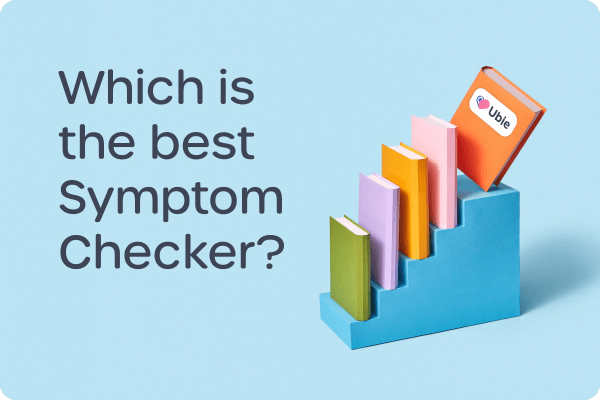
Which is the best Symptom Checker?

Which is the best Symptom Checker?

Ubie’s symptom checker demonstrated a Top-10 hit accuracy of 71.6%, surpassing the performance of several leading symptom checkers in the market, which averaged around 60% accuracy in similar assessments.

Link to full study:

https://www.medrxiv.org/content/10.1101/2024.08.29.24312810v1

References